

TL;DR
- Low-profile trailers sit closer to the ground, making loading easier, safer, and more stable, ideal for heavy equipment, vehicles, motorcycles, and hobby use
- Deck over trailers have the deck above the wheels, offering more space and higher weight capacity, perfect for wide, tall, or commercial loads like lumber, pallets, and construction equipment
- Choose low-profile for easy loading, better balance, less strain, and stability on ramps or uneven roads
- Choose deck over if your cargo is tall or heavy, needs full-width space, and height clearance matters more than loading ease
Choosing the best option depends on where you drive and what you plan to haul most often. We have two common options: low-profile trailers and regular step-deck trailers. Each one is built for a different purpose, and it’s all about height, stability, and how easy it is to load your cargo. Let’s make it easy and help you to choose the right one.
What Is a Low Profile Trailer?
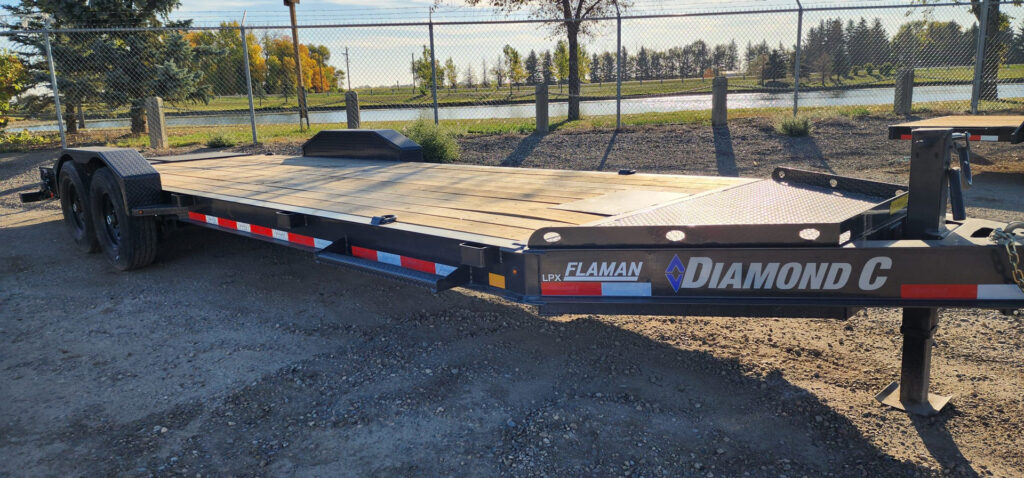
The term “low profile” refers to the height of the trailer deck from the ground. Basically, a low-profile trailer is a type of trailer that sits closer to the ground than a standard trailer.
This design comes from the size of the wheels and tires used on the trailer. This type of trailer typically uses smaller wheels (17.5” or 19.5”) or a dropped frame to sit closer to the ground. Because the deck height is lower, loading and unloading become much easier.
You do not need steep ramps, and you do not have to lift heavy items too high. That is the reason low-profile trailers are popular with hobby users who want a simple and safe way to haul heavy equipment, machinery, or tall, oversized cargo.
What Is a Deck over Trailer
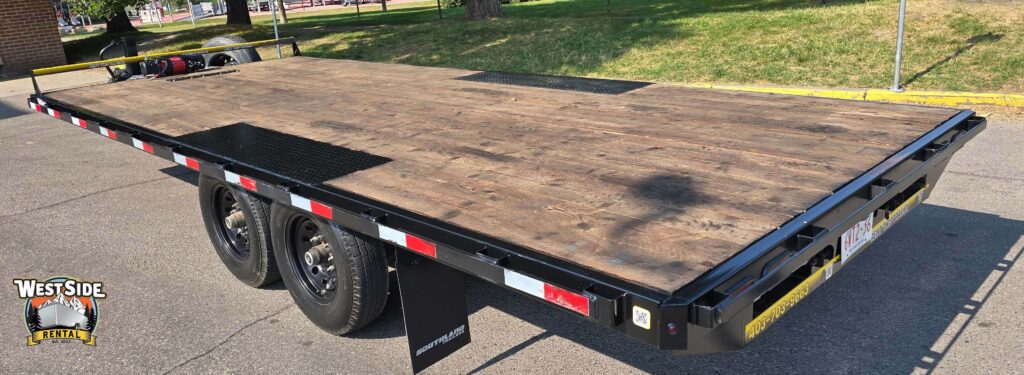
A deck over trailer is a type of flat deck trailer where the deck sits above the wheels, instead of between them. This design creates a full-width, flat loading surface, making it easier to haul wide equipment, pallets, and building materials.
Deck over trailers usually have a higher deck height than low-profile trailers, but they offer more usable space and higher weight capacity, which is why they are commonly used for commercial, construction, and industrial hauling.
The Advantages of a Low Profile Trailer
One of the biggest advantages of a low-profile trailer is its easy to load and unload. The lower height reduces the ramp angle, which makes pushing, rolling, or driving items onto the trailer smoother. Because the weight stays closer to the ground, the trailer feels more stable when towing. This improved balance helps reduce swaying and gives drivers more confidence, especially if they are new to towing.
Low profile trailers also place less strain on your body and your equipment. You do not need extra tools or long ramps, and loading can often be done by one person. For hobby use, this makes a noticeable difference in comfort and safety.
When a Low Profile Trailer Is the Better Choice
A low profile trailer is the right choice when you need easier loading and better stability. This design is available across enclosed, flat deck, and car hauler trailers, and each type serves a different purpose depending on what you are hauling.
Low profile enclosed trailers work well for motorcycles, tools, event gear, and personal equipment. The lower floor makes rolling items inside easier and reduces the step-up height when walking in. Common rental sizes include 7×16 ft, 8.5×20 ft, and 8.5×24 ft, making them a flexible option for secure hauling.
Low profile car hauler trailers are designed for loading vehicles with less effort. The lower deck height reduces ramp angle, which helps prevent scraping on low-clearance cars. This also improves balance while towing. Common sizes range from 16 ft to 20 ft and are often used for cars, small trucks, and project vehicles.
When a Regular Deck Over Trailer Makes More Sense
A regular deck over trailer is a good choice when you need more space and more strength. The deck sits above the wheels, so you get a full-width flat deck. This makes it easier to carry wide loads without limits.
These trailers are often used in construction and commercial hauling. They work well for moving lumber, steel, pallets, and heavy equipment. The deck is higher than a low-profile trailer, but it can handle bigger and heavier loads, which makes it the better option when capacity matters more than easy loading.
Ask yourself before choosing the Right Trailer....
Before deciding between a low-profile step deck and a standard step deck, think about what you haul most often. Use these questions to guide your choice:
- Do you need extra height for tall equipment or loads?
- Will you be using ramps to load items regularly?
- Do you travel on rough roads or off-road routes?
- Is keeping the load stable a top priority for your hauling?
Your answers will help clarify the decision. Many businesses even keep both trailer types available to handle any load.
Final Comparison
A low profile trailer is built for stability, easy loading, and heavy equipment. And a regular step deck trailer is built for height clearance and freight transport.
If your load is heavy or needs ramps, go low profile. On the other hand, if your load is tall but not heavy, choose a deck over.
We hope this helps you choose the right trailer and makes hauling stress-free.
If you still have any questions, feel free to contact us—we will reply as soon as possible.