
How Much Can You Tow? A Capacity Guide

- December 25, 2025
- Towing Tips
- seo-manager
Towing capacity tells you how much weight your vehicle can safely pull. It affects safety, braking, steering, and engine health. This guide explains towing limits in plain language so you can choose the right trailer and tow with confidence.
What Is Towing Capacity
Towing capacity is the maximum weight your vehicle can pull. This number is set by the manufacturer, and it depends on factors like your vehicle’s Gross Vehicle Weight Rating (GVWR), Gross Combined Weight Rating (GCWR), and hitch setup. Towing more than the vehicle’s rating is extremely dangerous and risks your hauling.
Key Towing Terms You Must Know!
Gross Vehicle Weight Rating (GVWR)
GVWR is the maximum weight your vehicle or trailer can carry. Every vehicle or trailer must have the GVWR limit and you need to haul based on the rating. You find it on a sticker on the driver’s side door jamb or in the owner’s manual, and it ensures you don’t overload your car, truck, or trailer, which can lead to serious risk.
When you are going to rent a trailer, you will need to calculate whether your vehicle has the capability to haul the trailer as well.
An example for you:
If your vehicle GVWR is 6,000 lbs and the vehicle already weighs 5,200 lbs with people and cargo, you only have 800 lbs left for tongue weight and gear.
Gross Combined Weight Rating (GCWR)
GCWR is the total allowed weight of your vehicle and trailer together. This is one of the most important numbers for towing. and It looks at the whole setup, not just one part.
GCWR includes:
- The tow vehicle weight
- The trailer weight
- All cargo and equipment
- Fuel, driver, and passengers
If the combined weight goes over the GCWR, the engine and transmission must work too hard. This can cause overheating, poor braking, and loss of control on hills. try to keep the combined weight below the GCWR. This helps your vehicle tow smoothly, last longer, and stay safe on the road.
Curb Weight
Curb weight is how much your vehicle weighs empty, with fuel but no cargo or people. this is not a necessary for you if you are thinking towing or loading. its just a data to help you know.
It does not include people, cargo, or a trailer. This number helps calculate how much weight your vehicle can still carry or tow. The lighter the curb weight, the more payload the vehicle can handle.
Payload Capacity
Payload capacity is how much weight your vehicle can safely carry inside it. This includes the driver, passengers, cargo, tools, and even the trailer tongue weight that presses down on the hitch. It does not include the full weight of the trailer itself.
- Payload includes:
Passengers - Tools
- Luggage
- Tongue weight from the trailer
As payload increases, towing capacity decreases. The More people in the vehicle means less weight you can tow safely.
To calculate payload capacity, you subtract the vehicle’s curb weight from its GVWR.
Capacity = GVWR – Curb Weight
Staying within this limit is important because exceeding it can make your vehicle sag in the back, reduce steering control, increase stopping distance, and wear out tires and suspension faster.
You can find the payload capacity on the driver-side door label, in your vehicle’s manual, or on the manufacturer’s specifications.
Keeping your load within the payload limit ensures a safer, smoother, and more controlled driving and towing experience.
Tongue Weight
Tongue weight is the downward force the trailer puts on the hitch of your tow vehicle. It is part of the payload and affects how the vehicle handles.
A proper tongue weight is usually 10–15% of the trailer’s total weight. Too little weight can make the trailer sway, while too much can overload the rear of your vehicle, making steering and braking harder.
You can measure tongue weight with a special scale or a bathroom scale and a board. Always check it before towing to make sure it’s within your vehicle’s payload limit.
Keeping the tongue weight correct helps you tow safely, control the trailer better, and prevent accidents.
An example for you:
A 4,000 lb trailer should have a tongue weight between 400 and 600 lbs.
Axle Weight Rating (GAWR)
GAWR (Gross Axle Weight Rating) is the maximum weight each axle can safely carry. This includes axle, wheels, tires, brakes, and the load on it. the rating determine by the manufacturer and the front rating are shows as FR and the RR is the rear rating.
If your load are Exceeding axle limits then you can cause uneven tire wear, suspension damage, and poor handling.
Trailer Gross Vehicle Weight Rating (Trailer GVWR)
Trailer GVWR is the maximum weight the trailer can safely carry, including its own empty weight plus all equipment (fuel, passengers, etc.).
When you rent a trailer, you will see this rating, and it is very important because it affects both the rental price and your hauling needs.
For example:
If you are hauling 2 motorcycles then a 3,500 lbs GVWR (10 ft enclosed) trailer is usually enough, and you do not need to pay extra to rent a 24 ft trailer. so, the GVWR basically depends on your needs.
Also, never load a trailer beyond its GVWR, even if your vehicle can tow more.
Hitch Class Rating
Hitch rating is the maximum weight your hitch can handle. The hitch class is a rating that indicate its maximum towing weight capacity and tongue weight. there are five hitch classes and everyone has different weight carrying capacity.
Can My Vehicle Tow This Trailer ?
yes, when your vehicles are met all of the towing conditions to safely a trailer. The trailer’s total loaded weight must stay below your vehicle’s rated towing capacity, not just the trailer’s empty weight. At the same time, the tongue weight must fall within the recommended range, usually 10–15% of the trailer’s total weight, to keep the vehicle stable and prevent swaying.
The hitch class must also be rated to support both the trailer weight and the tongue weight, because a weak or undersized hitch can fail even if the vehicle itself is capable of towing the load.
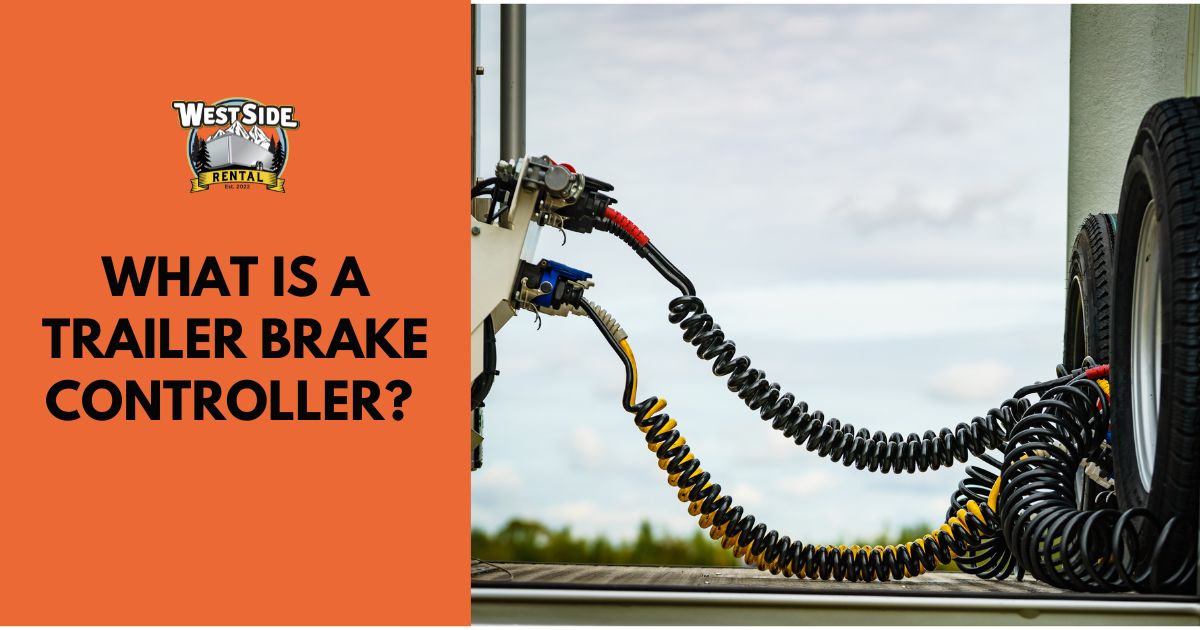
For heavier trailers, trailer brakes must be installed and working properly to help control stopping distance and reduce strain on the vehicle’s brakes.
If even one of these conditions is not met, towing becomes unsafe and increases the risk of poor handling, longer stopping distances, and mechanical damage.
if you are not familiar with these terms, just let us know when you are renting our trailer. our team will sort out everything for you.
Frequently Asked Questions
How much weight can I tow safely?
Stay 10–15% below the max towing rating.
Do I need trailer brakes?
Yes for most trailers over 3,000 lbs.
Recent posts

Reach Us
Share
LinkedIn
X
Pinterest
Facebook