

Trailer Winch Types: Manual vs Electric vs Hydraulic
- January 13, 2026
- Trailers Tips
- seo-manager
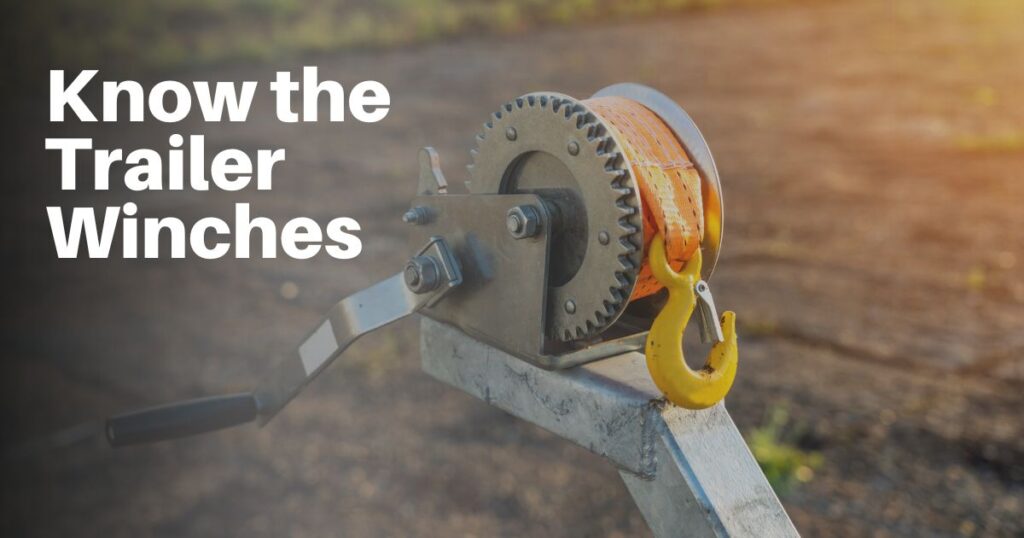
A trailer winch is a simple but powerful tool. It helps pull vehicles or equipment onto a trailer in a safe and controlled way. You will often see winches used on enclosed trailers, car haulers, utility trailers, and equipment trailers.
Trailer winches come in different types. Each type works in its own way and is made for specific loads and uses. But how do you choose the right winches for your needs? Understanding how they work will help you to choose the right one and use it safely. Lets digging.
What Is a Trailer Winch?
A trailer winch is a mechanical device used to pull a weight onto a trailer. It does not lift loads into the air. Instead, it pulls items across a surface, such as a ramp or trailer floor.
Winches come in manual (hand-crank) or electric versions and each one is best for specific tasks. The modern vehicles have more facilities to control things like wireless remote control, automatic braking system, etc.
Trailer winches are commonly used for:
- Cars
- Motorcycles
- ATVs
- Small equipment
- Rolling tools or machinery
Don’t think the same as the recovery winch. A trailer winch is different from a recovery winch or crane hoist. Recovery winches are used to pull vehicles out of mud or snow. Hoists are designed to lift loads vertically. On the other side, trailer winches are just built for controlled loading.
Main Components of a Trailer Winch
Every trailer winch has a few core parts. These parts work together to create a pulling force. The core parts of a winch are the Winch Drum, cable/strap, gear system and braking control, and the most essential power source.
Winch Drum
The drum is the round spool that holds the cable, rope, or strap. When the drum turns, the line winds in or out.
Cable, Rope, or Strap
Most trailer winches use are steel wire rope (cable) or synthetic rope. The synthetic rope is lighter and commonly used for modern off-roading. On the other side, the cable ropes are for abrasive environments.
Gear System
It’s just a power delivery output. This allows for to force to move a heavy load. That basically helps with loading and unloading.
Brake or Locking Mechanism
This part keeps the load from rolling back. It holds tension when pulling stops.
Power Source
The power source defines the type of winch. It can be manual, electric, or hydraulic.
Types of Trailer Winches
Mainly, trailer winches are of 3 types: manual, electric and hydraulic. The types are basically defined by categories. The manual is needed to hand crank, electric is using vehicle power and the hydraulic offering heavy-duty pulling.
Manual Trailer Winches
The manual winches work mechanically are are powered by hand.
Specifically, the manual winches are powered by hand. You need to turn the handle, and it works mechanically, gear shifting and the gears rotate the drum and pull the load. These types of winches need more physical energy and are mostly used in boat trailers, Light utility trailers or Small rolling loads.
Electric Trailer Winches
Electric winches operate a motors to use a motor to switch or use remote controls the pull. These motors are usually run on 12V systems and draw power from the vehicle’s battery. When the power is applied, the motor turns the drum and pulls the things.
Electric Trailer Winches are faster and easier to use. You will often see this winch is commonly used are enclosed trailers, Car haulers, Motorcycle, and ATV loading. Because of the ease of control or pulling.
Hydraulic Trailer Winches
Hydraulic winches are useful for pulling heavy equipment. This winch works in a fluid pressure system that provides consistent power for pulling heavy loads, offering superior durability and torque compared to electric winches.
This winch is only needed if you need it for heavy-duty tasks like boat, car, or equipment recovery/loading where robust performance is needed. Also, this one has a more complex and higher cost as well.
Comparing Manual, Electric, and Hydraulic Winches
| Feature | Manual | Electric | Hydraulic |
|---|---|---|---|
|
Power Source |
Hand |
Battery |
Hydraulic system |
|
Load Capacity |
Medium to High |
Low to Medium |
High |
|
Ease of Use |
Low |
High |
Medium |
|
Common Use |
Boats, light loads |
Enclosed trailers |
Heavy equipment |
Choosing the Right Trailer Winch
The right winch depends on your needs. If your loads are light, then only a manual winch will be enough for you. But if you have regular vehicle loading, then choose the electric winch and for more heavy choose the hydraulic power.
Whether you’re a homeowner, vehicle dealer, or off-road enthusiast, an electric winch provides the perfect balance of ease and functionality for everyday use.
Common Trailer Winch Safety Considerations
- Match the winch rating to the load
- Keep the cable or strap aligned
- Inspect the line for wear
- Avoid sudden jerks
- Use braking and locking systems properly
Recent posts


Reach Us
Share
LinkedIn
X
Pinterest
Facebook