




If you are pulling an enclosed cargo trailer, a utility flatbed, or a powersports trailer through Calgary between November and March, the rules change. Winter towing here is not just about driving slower. It means adjusting your trailer hardware (cold tire pressure, brake controller gain, coupler condition) before you ever merge onto Deerfoot or Stoney Trail. The Chinook can melt a road by afternoon and glaze it black by dusk. This guide covers the checks, the technique, and the local hazards that matter for Calgary trailer towers.
Key Takeway
- Check tire pressure, brake controller gain, wiring, coupler, and safety chains before towing.
- Keep tongue weight between 10% and 15% and secure cargo properly.
- Leave a 6 to 8-second following distance and brake early on snow and ice.
- Avoid cruise control, sudden steering, and hard braking.
- Check 511 Alberta for road conditions and watch for black ice after Chinooks.
- Carry winter recovery gear and recheck trailer connections during the trip.
Why Towing a Trailer in Calgary's Winter Is Different
Calgary’s winters don’t behave like most of Canada’s. Chinook winds can push temperatures up by 15 to 20 degrees Celsius in a matter of hours, melting packed snow into standing water that refreezes into black ice the moment the sun drops behind the mountains. A road that looked clear on your drive out can be a sheet of ice by the time you’re hauling a loaded trailer back.
Add a trailer to that equation and the risk compounds. Extra gross vehicle weight increases stopping distance substantially, often requiring two to three times the distance you’d need without a trailer. Improperly loaded cargo can also shift weight off your tow vehicle’s front axle, reducing the steering control you need most on slick pavement. Small corrections that are harmless on a bare road can turn into trailer sway or a jackknife once ice enters the picture. None of this means you shouldn’t tow in winter. It means the prep work matters more here than almost anywhere else in the country. If you’re not sure your tow vehicle is rated for the load, our guide on what trailer your truck can tow breaks down capacity by vehicle type.
Pre-Trip Checks Before Towing a Trailer in Winter
Electric Brake Controller and Wiring Checks in Cold Weather
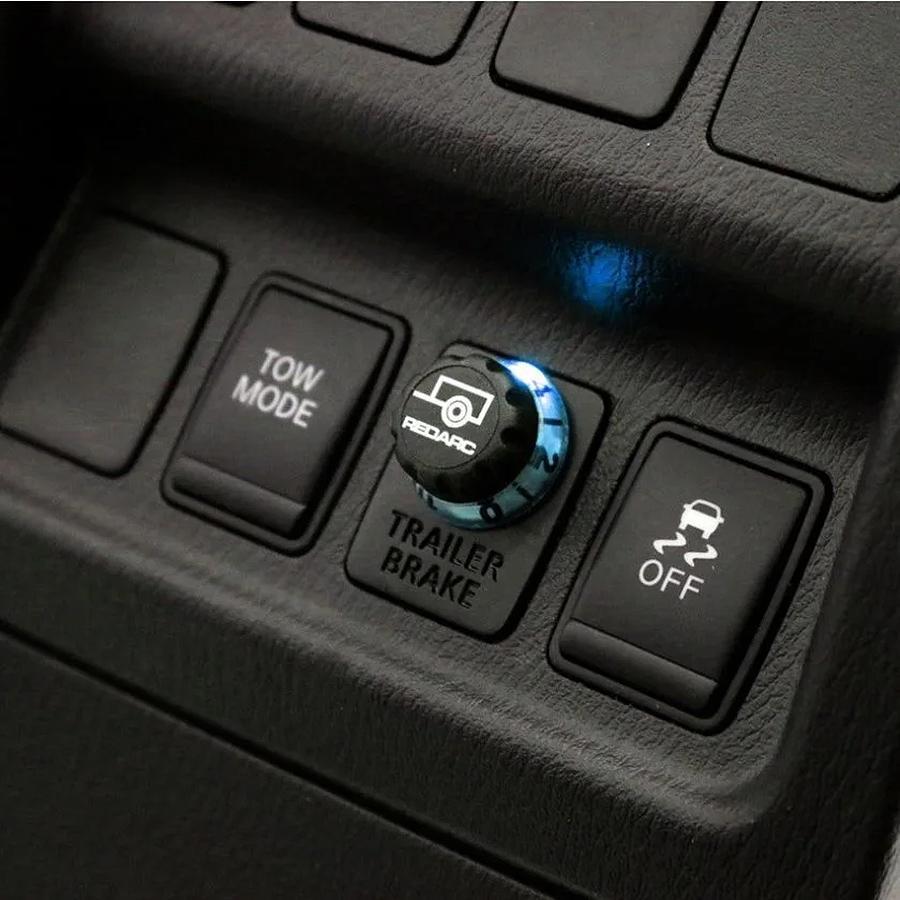
Your electric brake controller is the most important winter towing tool you have, and it needs attention before you roll. On snow and ice, a lower gain setting is safer: it reduces how hard the trailer brakes bite, which helps prevent the trailer’s wheels from locking up and sliding sideways before your tow vehicle even starts to skid. Test the adjustment on a quiet stretch at low speed before you’re relying on it in traffic.
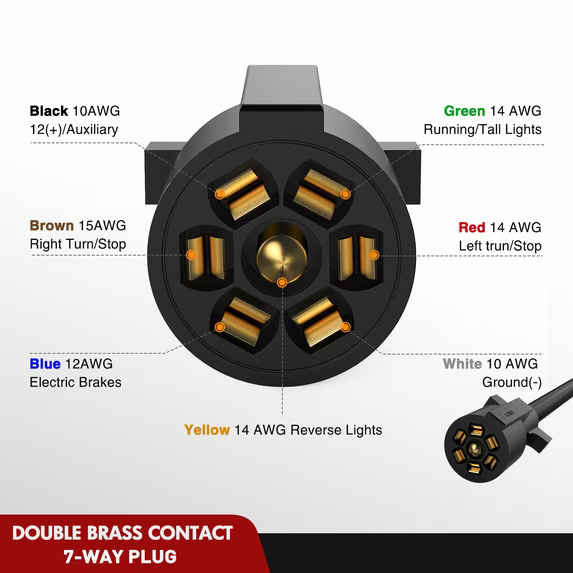
Cold weather is also hard on connections. Clean the 7-way plug of road salt and moisture, and a dab of dielectric grease helps stop corrosion that can short out your brake lights and turn signals right when visibility already matters most. Check that the breakaway cable is not frozen to the frame. It must pull freely if the trailer separates.
For a full rundown of connector types and wiring setups, see our trailer plug and hitch guide.
Coupler, Safety Chains, and Snow Clearance Before Towing
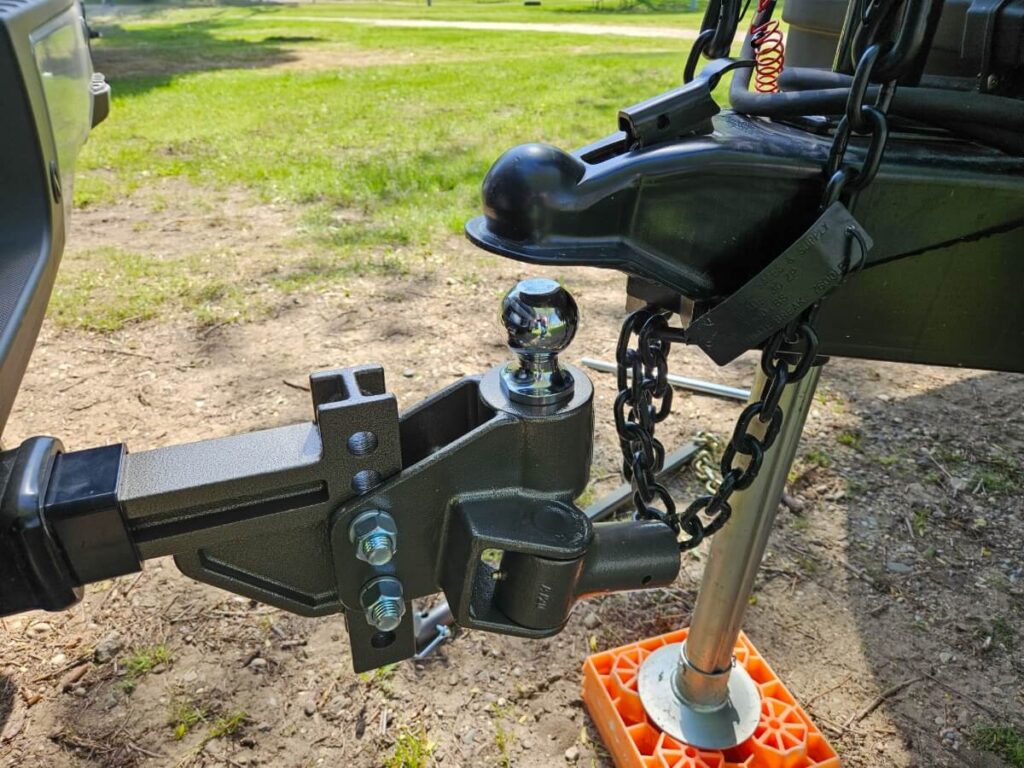
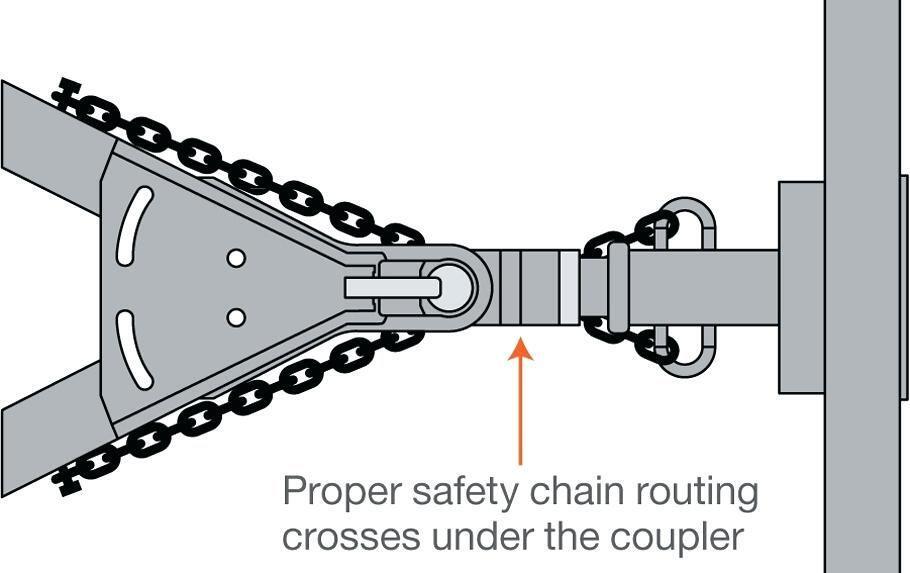
Cold temperatures stiffen grease inside the coupler, which can quietly prevent the latch from locking fully onto the hitch ball. Open and close it by hand before every trip to confirm it seats and locks completely. Cross your safety chains underneath the tongue so they’d catch the coupler if it ever separated, rather than letting it drop to the road.
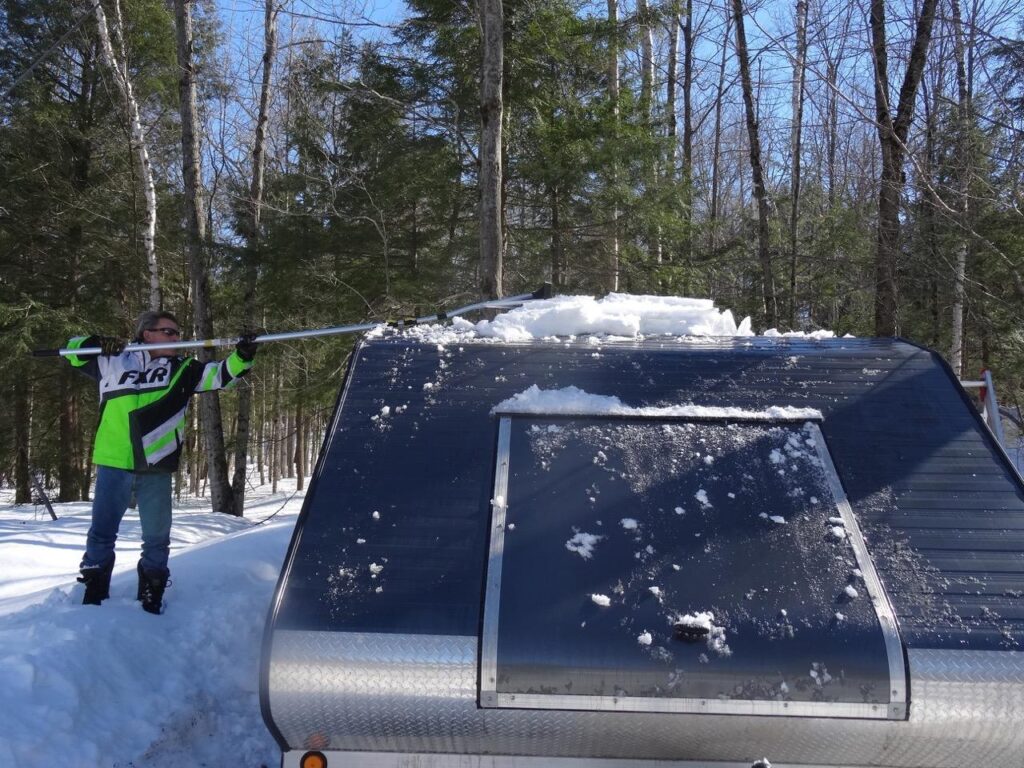
Clear snow and ice off the trailer roof, fenders, taillights, reflectors, and license plate before you leave. Alberta’s Rules of the Road Regulation requires a clear, unobstructed view and working signals, and a sheet of snow peeling off a trailer roof at highway speed is a hazard for the driver behind you. Breaking rules can get you fined; an obscured plate or light is $155.
Winter Tires for the Tow Vehicle
Alberta doesn’t require winter tires by law the way British Columbia or Quebec do, but towing a loaded trailer on worn all-seasons is a different risk calculation than driving unloaded. For a tow vehicle, the argument is even stronger. Look for the 3PMSF (three-peak mountain snowflake) symbol. A 3PMSF-rated tire maintains its rubber elasticity at temperatures approaching -30°C, giving your front axle the steering bite and your rear axle the traction it needs under tongue load.
If your route runs toward Banff or Yoho National Park, note that chains or snow tires are legally required there in winter months, regardless of Alberta’s provincial rules.
Cold Tire Pressure for Towing in Winter
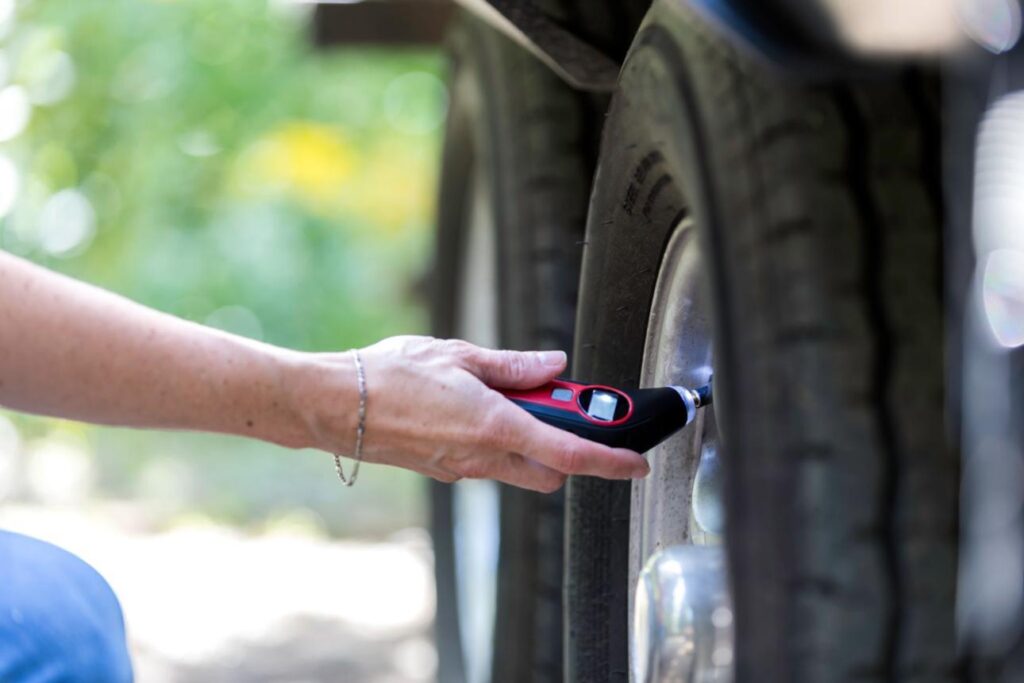
Check tire pressure cold, before the tires have warmed up from driving, on both the tow vehicle and the trailer. The rule of thumb is roughly 1 PSI lost for every 5 to 6°C drop in ambient temperature, and trailer tires can lose pressure even faster because they often sit for longer periods between trips.
Check the trailer’s tires even if it’s been sitting since your last trip. A trailer that was properly inflated in October can be noticeably low by a hard January cold snap. Underinflation increases sidewall flex, heat, and sway risk. Inflate trailer tires to the manufacturer’s recommended cold pressure, and recheck weekly during Chinook swings.
Tongue Weight Distribution in Winter
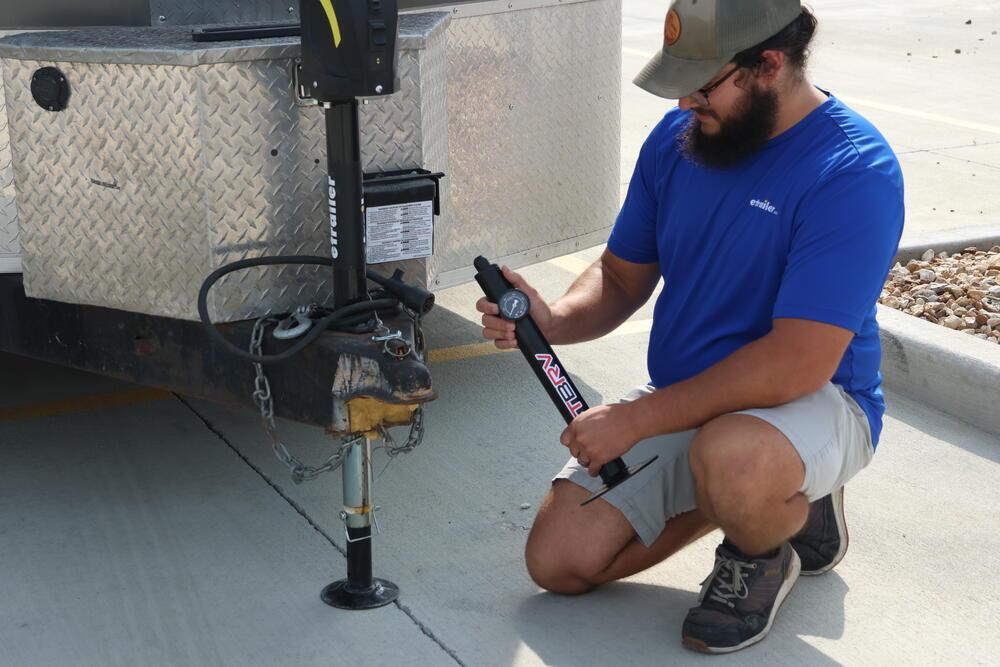
Keep your tongue weight within 10 to 15 percent of the trailer’s total loaded weight. Below that range, the trailer is more prone to sway; above it, you risk lifting weight off your tow vehicle’s front wheels and losing steering control, which is the last thing you want on an icy corner.
Load heavier cargo low and centered over or slightly ahead of the axle, and balance the load side to side. For a deeper look at how axle configuration affects stability under load, see our comparison of single versus tandem axle trailers.
Securing Cargo on an Icy Trailer Deck
Clear ice off open utility or flatdeck decks and ramps before you load anything. Wet boots and icy deck surfaces are a slip risk long before the trailer ever moves.
Strap cargo directly to the D-rings or stake pockets first, then add a tarp over top. If you tarp first, the straps cannot compress the load, and corners can whip loose at speed. For enclosed trailers, this is less of a concern, but the same principle applies. Secure the load before you close the doors, not after.
Driving Technique for Towing on Snow and Ice
Following Distance and Braking Distance With a Trailer
Smooth Steering and Acceleration With a Loaded Trailer
Never Use Cruise Control While Towing in Winter
Recovering From Trailer Sway or Loss of Traction
If the trailer starts to sway or your tow vehicle loses traction, ease off the accelerator completely. Don’t hit the gas trying to pull out of it. Keep the steering wheel straight and steady since overcorrecting amplifies the swinging motion rather than settling it. Never slam the brakes, which can cause the trailer to pivot around the hitch and jackknife into the tow vehicle. If your brake controller has a manual override lever, a gentle squeeze applies the trailer’s brakes alone, which tends to pull the rig back in line without upsetting the tow vehicle.
Get Ready for Winter Towing in Calgary
From enclosed trailers to flatdecks, choose a trailer that suits your vehicle, cargo, and winter hauling needs. Check your towing capacity and make sure your hitch, brakes, and tires are ready before heading out.
Match Your Vehicle to The Westside Trailer
Black Ice Risk After a Calgary Chinook
After a Chinook, black ice forms fastest where daytime meltwater pools and then refreezes: Bow River bridge decks, elevated overpasses, shaded valleys, and west-to-east commuter routes where the evening temperature drop catches drivers by surprise. For drivers towing an enclosed, utility, flatbed, or powersports trailer, this timing matters because a loaded trailer reduces the margin to react when the surface changes without warning.
A road that looks wet and harmless at 3 p.m. can be glazed by 6 p.m., especially as dusk settles and the sun drops behind the Rockies. The overpasses at the Crossfield and Carstairs exits on Highway 2 are consistently cited as trouble spots because they flash-freeze from both above and below. Approach every bridge deck on Crowchild Trail and Deerfoot Trail as if it is icy, even when the road surface before it looks clear.
Checking Alberta Road Conditions Before You Tow
Before any winter haul, check 511 Alberta online at 511.alberta.ca, by phone at 511, or on X. The site shows live highway camera feeds and current bare, wet, or snow-covered conditions across the province, along with wind warnings that matter for high-profile enclosed trailers. If travel isn’t recommended on your route, the safer move is to delay the pickup or the haul rather than find out conditions have changed once you’re already loaded and on the road.
RCMP can also issue a tow ban during extreme weather, meaning even professional recovery operators are not permitted to respond until conditions improve.
Deerfoot Trail and Stoney Trail Towing Hazards
Trans-Canada Highway and Highway 22 Winter Hazards
Safe Following Distance From Snowplows and Sanding Trucks
Emergency Kit for Towing a Trailer in Winter
Cab and Recovery Essentials for Winter Towing
- Collapsible snow shovel and heavy-duty ice scraper or snow brush.
- Traction aid: a bag of sand, non-clumping kitty litter, or traction mats.
- Cold-weather-rated jumper cables and a heavy-duty tow strap.
- High-lumen flashlight or headlamp with spare batteries, plus a 12V phone charger or power bank.
- Thermal blankets, insulated gloves, a toque, and winter boots.
Trailer-Specific Winter Gear for Cold Weather
- Heavy-duty rubber wheel chocks (plastic chocks slide on packed ice).
- Lock de-icer spray for frozen coupler latches, pin locks, and enclosed door padlocks.
- A properly inflated spare trailer tire, lug wrench, and a hydraulic bottle jack rated for your trailer’s axle weight.
- Extra cold-weather-rated ratchet straps
Small Habits, Safer Winter Hauls
Winter towing in Calgary rewards preparation more than any other skill. The chinook cycle that makes this city’s winters unpredictable also makes complacency the biggest risk on the road. A brake controller adjusted for ice, a tongue weight checked before you load, and a following distance that assumes the worst are small habits that cost a few minutes and prevent the kind of mistake you don’t get to walk away from. Check 511 Alberta before every haul, respect the routes that catch experienced drivers off guard, and keep your emergency kit in the cab where you can actually reach it. If you’re renting a trailer for a winter haul, ask about brake controller setup and tire condition before you hook up. The right prep turns a risky winter tow into a routine one.
faq
Frequently Asked Questions
Can You Tow Safely Without a Winter-Rated Tow Vehicle in Calgary?
Alberta doesn't legally require winter tires, but towing a loaded trailer without them is riskier here than driving unloaded. Chinook-driven black ice forms fast, and worn all-seasons lose grip exactly when you need steering control most. 3PMSF-rated winter tires are strongly recommended for towing.
Do You Need Trailer Brakes for Towing in Snow and Ice?
Yes, and they should be adjusted for the conditions. Lower your brake controller's gain setting on snow and ice so the trailer brakes engage gradually instead of locking the wheels and sliding sideways before your tow vehicle even reacts. Test the adjustment at low speed before you're relying on it in traffic.
How Do You Recover From a Fishtailing Trailer in Winter?
Ease off the accelerator completely and keep the steering wheel straight. Overcorrecting makes the sway worse. Never slam the brakes, since that can cause the trailer to jackknife. If your brake controller has a manual override, a gentle squeeze applies just the trailer's brakes and helps pull the rig back in line.
Is It Safe to Tow a Trailer During a Calgary Chinook?
It can be, but conditions change fast. Daytime chinook meltwater often refreezes into black ice by evening, especially on bridge decks and shaded routes. Check 511.alberta.ca before you hook up, and if travel isn't recommended on your route, delay the haul rather than risk it.