




Renting a trailer but not sure what size you need? You’re not alone. Whether you’re moving, hauling gear, or transporting heavy equipment, the right size trailer makes all the difference.
We at Westside Rental, offer the most affordable trailers for rental where including enclosed, flat deck & dump trailers. So, let’s move to help you make the right decision to choose the right size of trailer for your needs.
Key Takeaways
- Know payload (GVWR minus trailer weight), not just GVWR
- Load 60% of weight toward the front for stable towing
- Your tow vehicle’s capacity is the real limiting factor
- Pick trailer type by cargo – enclosed for weather, flat for vehicles, dump for loose material
- Always check tires, lights, and tie‑downs before every trip
Understanding Trailer Sizes
When we talk about trailer size, we usually mean the length of the deck, measured in feet. But size isn’t the only thing you should think about when renting a trailer.
Choosing the best size for you depends on your needs, considering the weight and dimensions (deck length, width, and height) of your cargo, as well as your vehicle’s towing capacity means how much weight it can carry.
Always match the trailer to what you’re hauling and what your vehicle can handle. Let’s break down to the deep you should need to know:
- GVWR (Gross Vehicle Weight Rating): The total weight the trailer can safely handle
- Payload: How much weight you can load inside the trailer
- Axle size: Shows how strong the trailer is and how heavy it can carry
💡 Editor Note: Don’t forget to check your vehicle’s towing limit. Not all cars or trucks can tow every trailer.
Different Trailer Types and Their Ideal Uses
Not all trailers are built the same. Each type is designed for a different job. Some are better for moving furniture, others for hauling heavy tools or dumping gravel.
Trailers come in many sizes and common sizes range from 10 ft (light and easy to tow) to 24 ft (great for bigger jobs or multiple vehicles).
Here are the different types of trailers trailer that fits your job and Westside customers typically use them.
| Trailer Type | Best For |
|---|---|
|
Enclosed Trailer |
Weather-safe moving, motorcycles, tools, small cars |
|
Flat Deck Trailer |
Cars, heavy equipment, wider loads |
|
Dump Trailer |
Dirt, gravel, yard work, demolition debris |
Each type has different features, load styles, and ideal uses. Let’s break them down.
Enclosed Cargo Trailer Size Guide
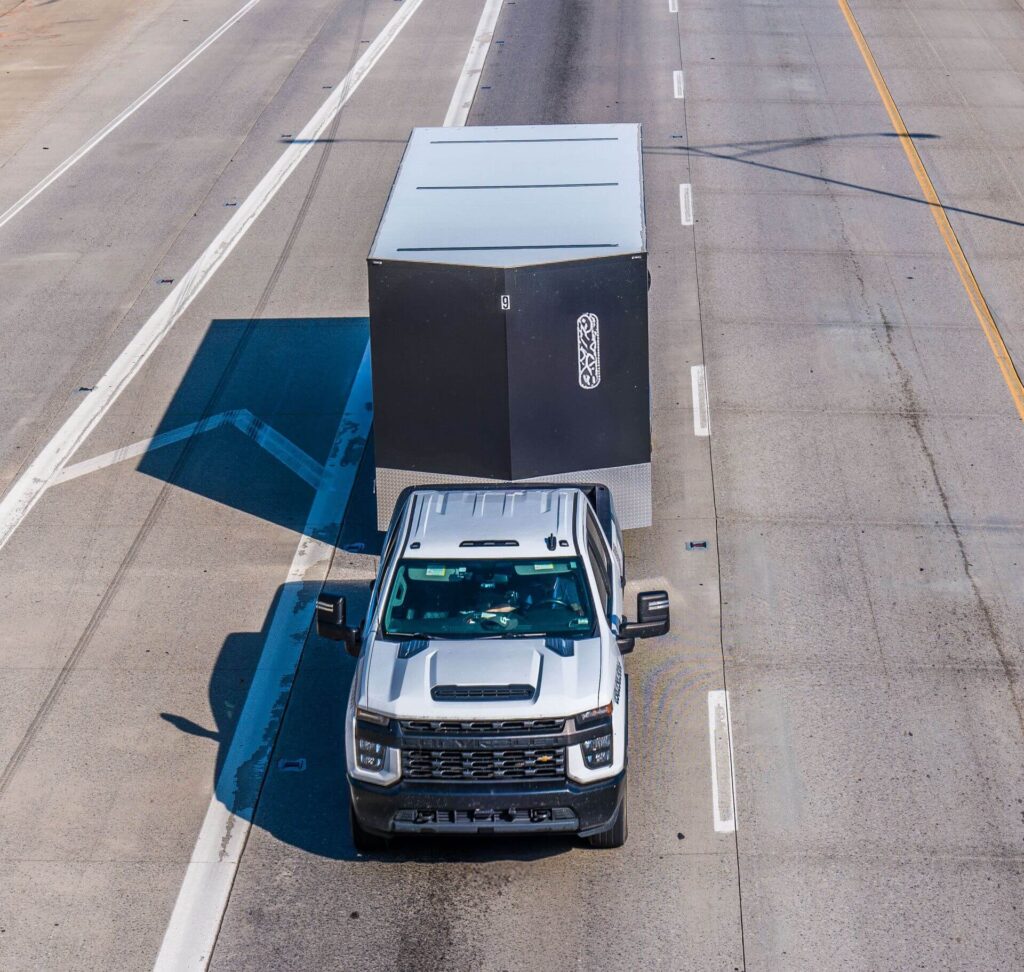
Enclosed trailers keep your stuff safe from the weather and road dust. It protects your hauling things from against rain, wind, dirt, and theft. If you’re moving furniture, tools, bikes, or anything valuable that want to keep safe & secure then it would be best choice for you.
| Size | Max Payload | What It Fits |
|---|---|---|
|
10 ft Enclosed |
2,420 lbs |
|
|
12 ft Enclosed |
5,100 lbs |
|
|
14 ft Enclosed |
5,100 lbs |
|
|
16 ft Enclosed |
6,300 lbs |
|
|
20 ft Enclosed |
6,300 lbs |
|
|
22 ft Enclosed |
6,300 lbs |
|
|
24 ft Enclosed |
6,300 lbs |
|
Need help deciding?
- Moving a few boxes? Go with a 10 or 12 ft.
- Hauling furniture or bikes? Try 14–20 ft.
- Transporting a vehicle? Go for 22–24 ft.
All enclosed trailers include E-track, rear ramps, GPS, WiFi, and a free winch.
Flat Deck Trailer Size Guide
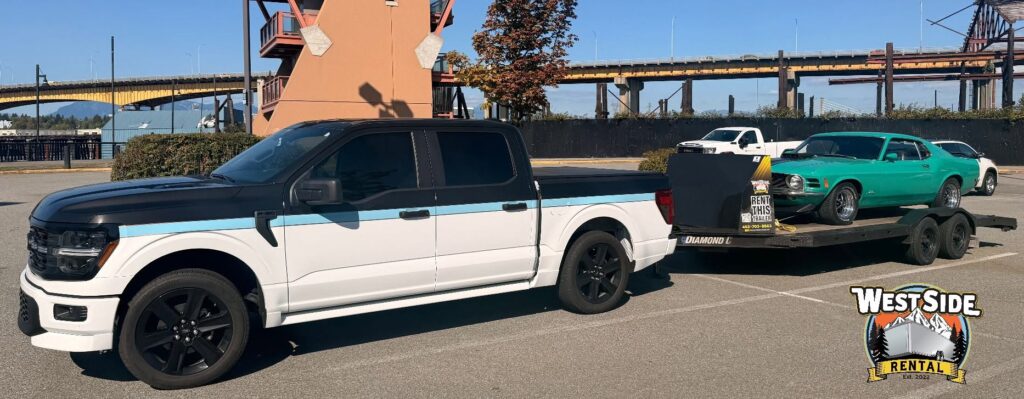
Flat deck trailers are open trailers with no walls or roof, giving you wide space to haul bigger items. You can load from the back or sides, which makes it great for moving large or heavy items.
If you’re looking for an open trailer with more space than an enclosed one, this is a perfect choice. Great for hauling big items like cars, machines, or long lumber with ease.
| Size | Max Payload | What It Fits |
|---|---|---|
|
18 ft flatdeck |
7,200 lbs |
|
|
20 ft deck over |
7,200 lbs |
|
|
20 ft flat deck |
7,200 lbs |
|
|
22 ft flat deck |
13600 lbs |
|
|
24 ft flat deck |
11470 lbs |
|
|
22 ft Enclosed |
6,300 lbs |
|
|
24 ft Enclosed |
6,300 lbs |
|
Dump Trailer Size Guide
Dump trailers are basically made for heavy loads like gravel, soil, or construction debris. The trailer bed lifts up, so you don’t have to unload by hand. That means you can dump out dirt, rocks, or junk fast and easy.
If you’re doing landscaping, clean-up, or hauling heavy stuff, a dump trailer will save you time and work.
| Size | Max Payload | What It Fits |
|---|---|---|
|
10 ft Dump Trailer |
8,775 lbs |
Home cleanups, dirt, gravel |
|
12 ft Dump Trailer |
12,000 lbs |
Light demo or renovation |
|
14 ft (13T) Dump Trailer |
12,297 lbs |
Large-scale construction, landscaping, demolition
|
|
16 ft Dump Trailer |
12,297 lbs |
Large-scale construction, landscaping, demolition
|
Each of our trailers includes:
- Electric brakes
- Roll-up tarp
- Aluminum ramps
- Unlimited mileage
- Scissor hoists (7–13 ton)
How to Match Your Load to the Right Trailer Size
Choosing the right trailer means knowing what you’re moving and how much it weighs. If your trailer is too small, you risk overloading it or leaving stuff behind. If it’s too big, you might pay more and have a harder time towing.
Here’s how to pick the best size for your load:
- Know the weight: Add up the weight of everything you plan to haul. This includes boxes, furniture, tools, or vehicles. Make sure the total weight is less than the trailer’s payload capacity.
Measure the size: Check the length, width, and height of your cargo. Choose a trailer that fits your items comfortably, with some extra room to secure everything safely. - Match the trailer type: Some loads need a covered trailer to protect from weather, while others fit better on a flat deck or dump trailer.
- Consider your towing vehicle: Always check how much weight your vehicle can tow. Your trailer and load combined should not exceed your vehicle’s towing limit.
By carefully matching your load to the right trailer size and type, you’ll have a safer and easier hauling experience.
How to Match Your Load to the Right Trailer Size
Before renting, make sure your vehicle can safely tow the trailer.
Here’s a quick checklist:
Check your towing capacity
Know your hitch size (all trailers use 2 5/16″ ball)
Electric brake controller is required
Check GVWR vs your vehicle’s limits
Use mirrors and lights properly
Most trailers need a truck or SUV with enough power. Smaller ones (like 10 ft) can be towed by mid-size SUVs.
Trailering Tips for a Smooth Rental
Towing a trailer is easy when you follow a few simple rules:
- Load 60% in the front: Place most of the weight in the front half of the trailer, close to your vehicle. It helps keep the trailer stable.
- Use strong tie-downs: Always strap your items down so nothing moves while you’re driving.
- Check your trailer lights and tires: Before you go, make sure the lights work and the tires are in good shape.
- Know how to load your trailer: Learn the right way to load an enclosed trailer, flat deck, or dump trailer before your trip.
- Match the right hitch and ball size: Your trailer should connect firmly to your vehicle’s hitch.
- Consider a truck rental for big jobs: If your car can’t tow a big load, renting a moving truck with a trailer may be the safer choice.
These tips will help you stay safe and avoid damage while towing.
Final Thought
Choosing the right trailer doesn’t have to be hard. Just think about what you’re hauling, check the weight, and match it with the right type and size.
We’re here to help you pick the perfect trailer—enclosed, flat deck, or dump—with clear pricing, top safety, and no hidden fees.
faq
Frequently Asked Questions
How do I choose the right trailer size?
Match your cargo's weight and dimensions to the trailer's payload and deck length, then confirm your tow vehicle's rated capacity can handle the combined load safely.
What is the difference between GVWR and payload?
GVWR is the trailer's total certified weight, including the trailer itself. Payload is what remains after subtracting the empty trailer weight from that GVWR figure.
Which trailer type fits my job: enclosed, flat deck, or dump?
Enclosed trailers protect cargo from weather and theft, flat decks suit vehicles and wide loads, and dump trailers handle gravel, dirt, or demolition debris fast.
How much weight can a tandem axle flatdeck trailer carry?
A tandem axle flatdeck trailer usually carries 7,000 to 13,600 lbs of usable payload, depending on the trailer's exact size, model, and individual axle rating.