




If you plan to tow a trailer, boat, or camper, the first thing you need is the right trailer hitch. Choosing the wrong one can lead to safety issues, damage to your vehicle, or even failed trips.
This guide breaks down everything you need to know in simple terms so you can pick the hitch that fits your needs. Let’s dive in and get you hooked up with the right trailer hitch!
Key Takeaways
- Match the hitch class to your trailer’s fully loaded weight, not its empty weight
- Never exceed your vehicle’s maximum towing capacity, even with a higher-rated hitch
- Receiver hitches suit most towing jobs, while fifth wheel and gooseneck hitches are for heavy loads
- Class I to V hitches are designed for specific towing capacities, from bike racks to large RVs
- Check receiver size, tongue weight, and installation requirements before choosing a hitch
- Pick a hitch based on what you tow most often, not just your current trailer
- A properly matched hitch improves towing stability, braking, and overall safety
What is a Trailer Hitch?
A trailer hitch is a device that attaches to your vehicle so you can pull a trailer. Think of it as the connection point between your car or truck and whatever you’re towing. Basically, it’s a metal device that connects your vehicle to a trailer. It acts like a strong hook or mount that lets your car, SUV, or truck pull extra weight safely; that’s all.
Hitches come in different classes, and each class is made for a specific use. Light-duty hitches are good for bikes or small cargo trailers, medium-duty hitches work well for campers, boats, or utility trailers, and heavy-duty hitches are built for towing large RVs or heavy equipment.
The right hitch depends on how much weight you need to tow and the type of trailer you plan to use.
Why Do I Need a Trailer Hitch?
You need a trailer hitch to connect your trailer with the vehicles for make towing safe as possible. Without it, your vehicle has no way to connect to a trailer, camper, or bike rack. A hitch basically gives you a secure link that can handle the weight of what you’re pulling. Whether you are moving a furniture, hauling a car, carrying bikes, or taking an RV on the road.
Also, it prevents damage and helps you move safely when towing, giving you stable, controlled maneuvering and braking.
Different Types of Trailer Hitches
There are commonly three types of hitches: Receiver hitches, 5th wheel hitches, and gooseneck hitches. Receiver hitches are the standard type most people use, and they are flexible for light to heavy towing.
5th wheel hitches are usually used with pickup trucks, as the hitch mounts in the truck bed. They are most useful for towing large campers or RVs.
The last in the common list is gooseneck hitches, which are used for heavy-duty towing, such as horse trailers or industrial loads.
Hopefully, you now have a general idea about the common hitch types. Let’s move a bit deeper, since every hitch has different class levels that define how much capacity it can haul. Remember, a hitch is one of the most important and valuable investments for your vehicle.
Types of Trailer Hitches (Hitch Classes)
Class I: Light-Duty Receiver Hitches
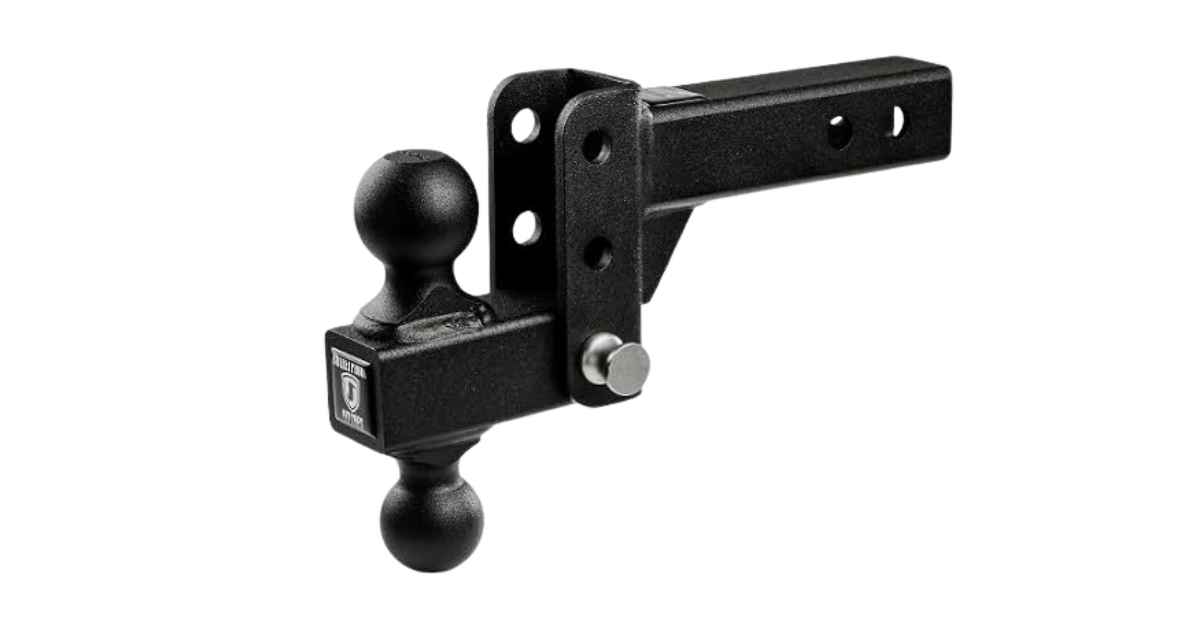
If you just need to tow something small, a Class I hitch is for you. It’s basically designed for towing motorcycles, small enclosed cargo trailers, and bike racks as well.
This hitch can handle up to 2000 ibs that means your vehicle should be able to haul less than the maximum capacity. If you drive a car, minivan, or small SUV, this class is the best fit.
- 1 1/4″ receiver
- Tongue maximum capacity: 200 lbs.
Class II: Regular-Duty Receiver Hitches
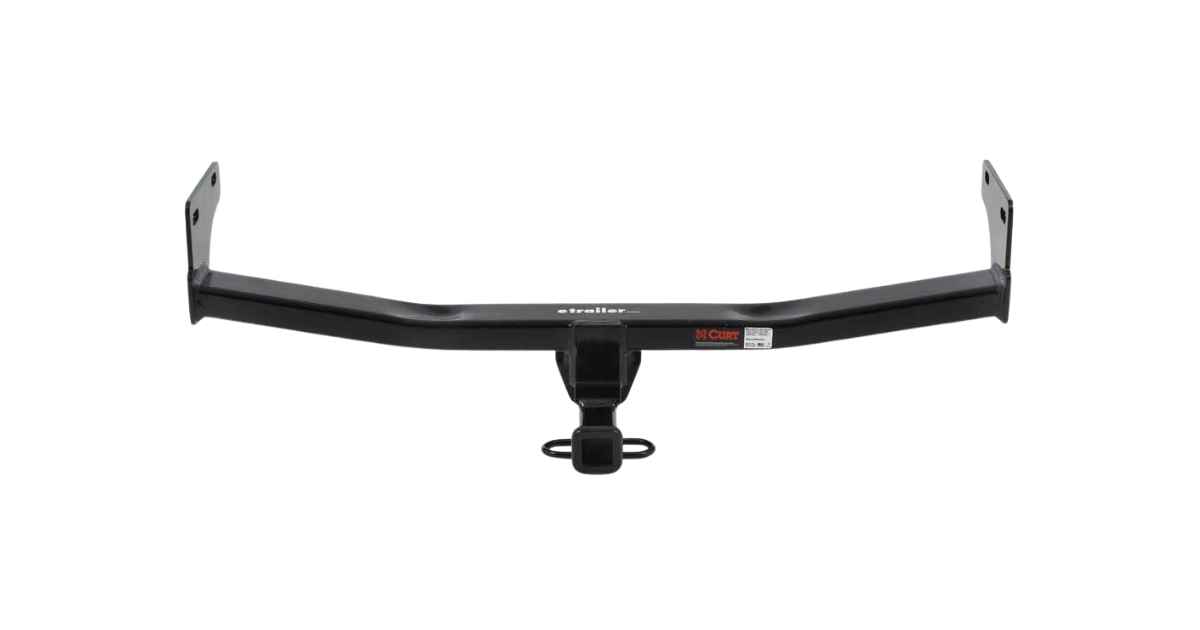
With a Class II hitch, you get more strength and you can tow up to 3,500 ibs. This is a good choice if you want to tow a small camper, a lightweight boat, or a medium cargo trailer. If you have a midsize SUV or crossover, this class will likely suit your needs.
- 1 1/4″ receiver
- Tongue maximum capacity: 350 lbs.
Class III: Heavy-Duty Receiver Hitches
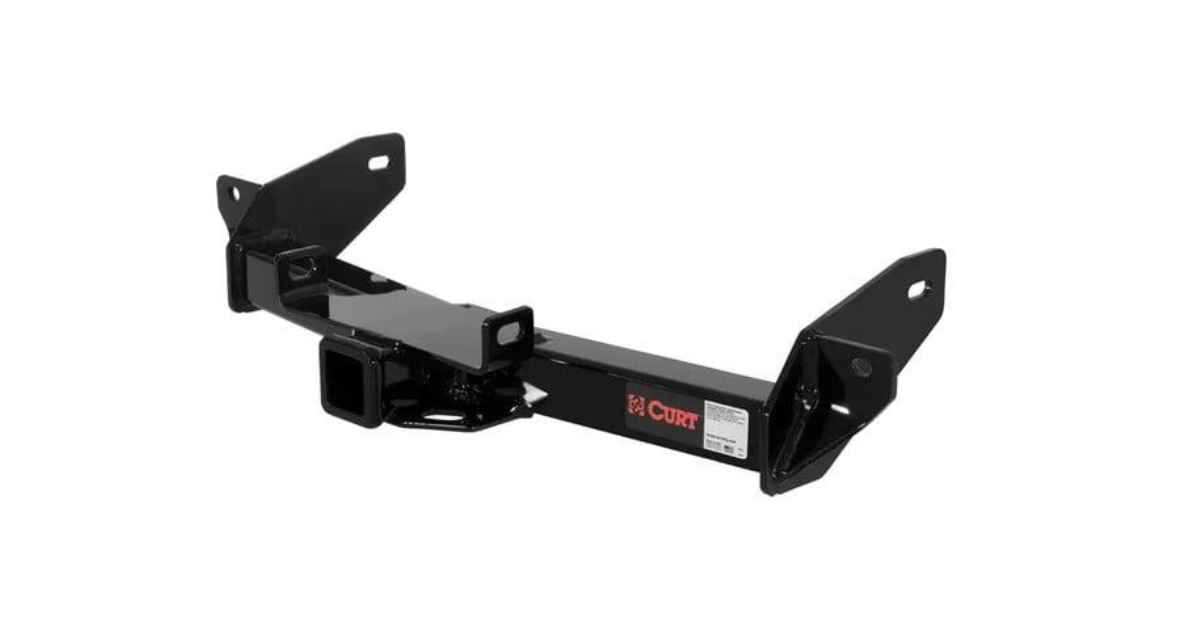
Class III hitches are the most popular and versatile. They are designed for carrying heavy-duty weight and can tow up to 8,000 lbs. If you want to tow full-size cars, medium-sized SUVs, or vans, then you can move with this hitch easily. From our experience, these are one of the most common hitches used for hauling midsize trailers.
- 2″ receiver
- Tongue maximum capacity: 750 lbs.
Class IV: Extreme-Duty Receiver Hitches
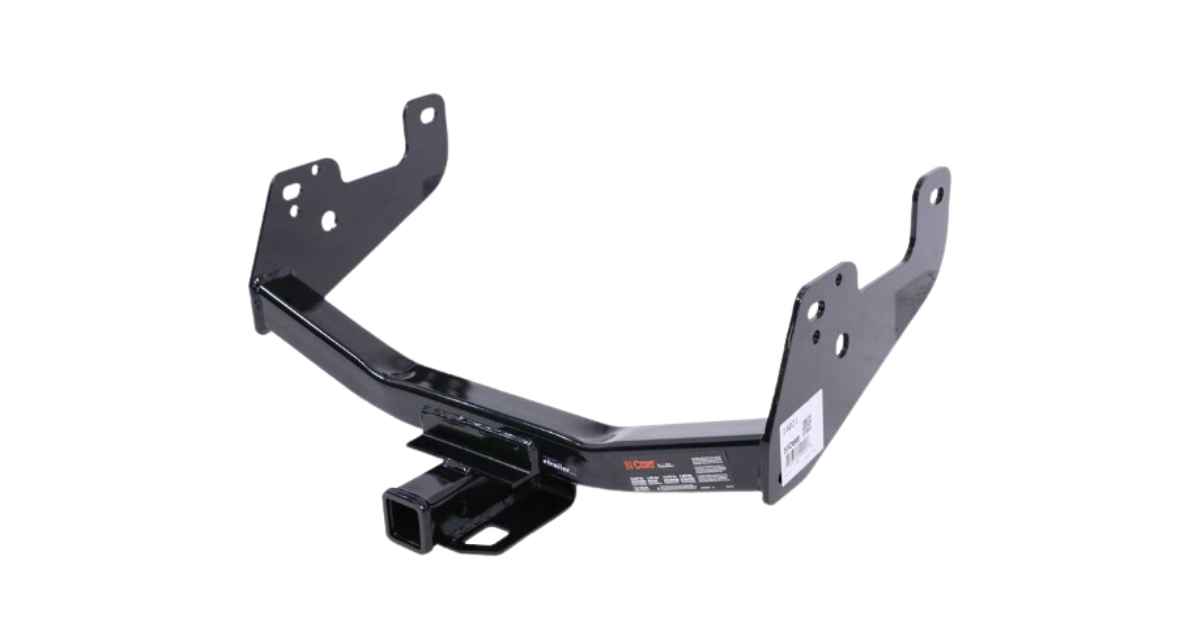
Class IV hitches are built for serious towing, like hauling much heavy-duty trailer. You can tow up to 10,000 with this hitch. and it’s commonly used for larger trailers, such as 24 ft cargo or equipment trailers. If you’re pulling something big on a regular basis, this is the class you’ll need.
- 2″ receiver
- Tongue maximum capacity: 1,000 lbs.
Class V: Fifth Wheel Hitches
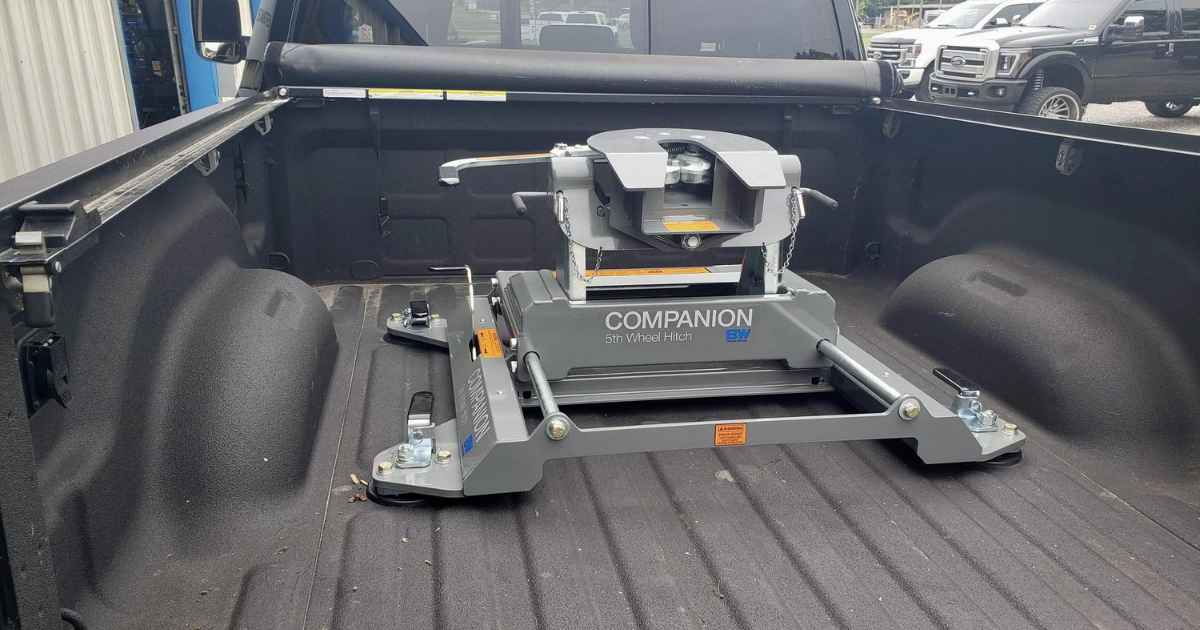
For the heaviest loads, you’ll need a Class V or fifth wheel hitch. This one mounts in the bed of your truck and is designed for pulling RVs, horse trailers, and large commercial loads. Because the weight sits directly over your truck’s rear axle, it gives you the most stability and control when hauling something massive.
- 2″ & 2 1/2” receivers available
- Tongue maximum capacity: 2,700 lbs.
How to Match Your Load to the Right Trailer Size
Before renting, make sure your vehicle can safely tow the trailer.
Here’s a quick checklist:
- Check your towing capacity
- Know your hitch size (all trailers use 2 5/16″ ball)
- Electric brake controller is required
- Check GVWR vs your vehicle’s limits
- Use mirrors and lights properly
- Most trailers need a truck or SUV with enough power. Smaller ones (like 10 ft) can be towed by mid-size SUVs.
faq
Frequently Asked Questions
What is a trailer hitch?
A trailer hitch is a device that attaches to your vehicle, letting you safely connect and tow a trailer, camper, boat, or bike rack, no matter the load.
Why do I need a trailer hitch?
A hitch connects your vehicle to a trailer or camper. It handles the load's weight, prevents damage, and gives you safe, stable towing and braking control.
What are the main types of trailer hitches?
The three main types are receiver hitches for light to heavy towing, 5th wheel hitches for large RVs and campers, and gooseneck hitches for heavy loads.
What do trailer hitch classes mean?
Hitch classes range from Class I to Class V. Each class has a different towing capacity, from 2,000 lbs for bikes up to 10,000+ lbs for large trailers
How do I know which hitch class fits my vehicle?
Check your owner's manual for towing capacity first. Small cars suit Class I or II, midsize SUVs suit Class III, and trucks handle Class IV or V loads.
How do I choose the right trailer hitch?
Match the hitch class to your trailer's loaded weight, think about what you'll tow most often, and check whether installation needs a professional's help.