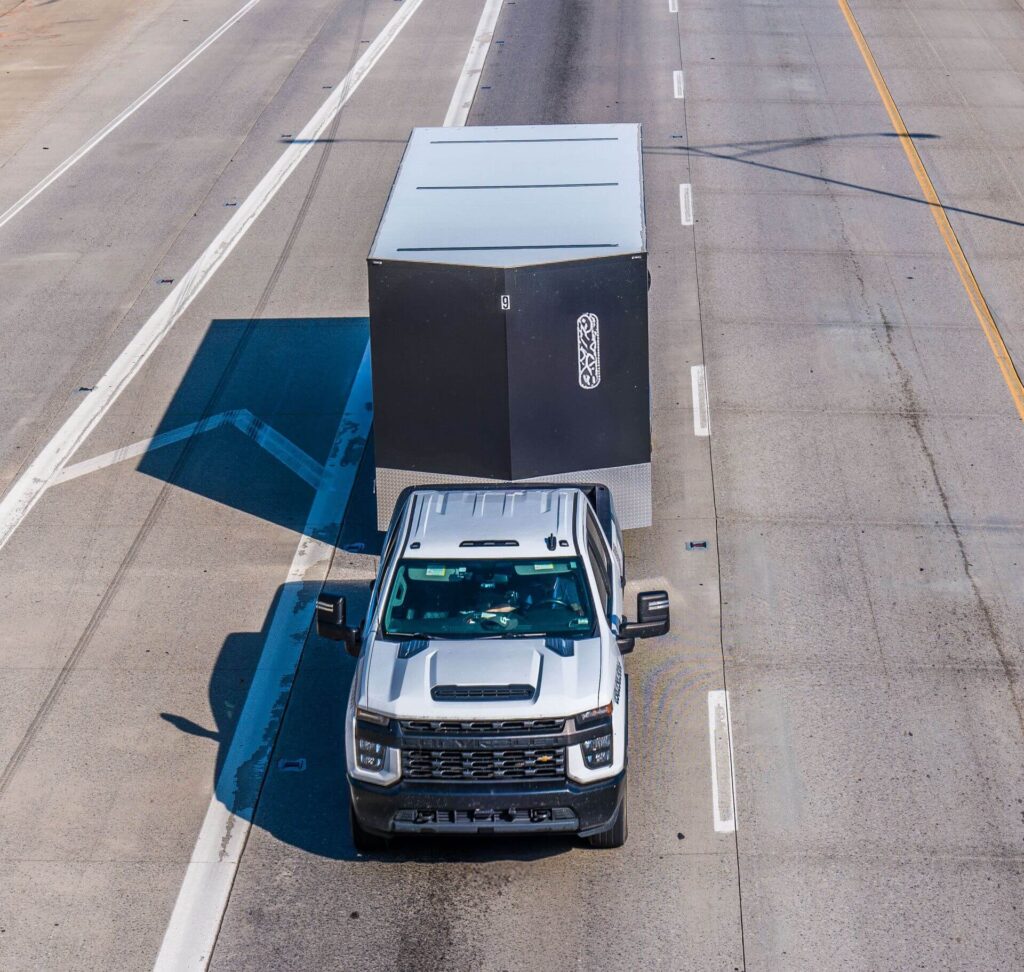




Enclosed trailers are one of the safest ways to move cargo, tools, or even vehicles. An enclosed trailer is completely secure, surrounded by walls and a roof, forming a weatherproof, protected transport solution for cargo. Unlike open trailers, they protect against rain, wind, and theft.
But not every enclosed trailer is the same. Each trailer is built for a different job, with different parts and capabilities. These parts affect how it tows, how much it can carry, and how secure it keeps your items.
Note: To rent an enclosed trailer, you don’t need to know every part or system and how it works. The rental company checks the trailer, matches it to your needs, and makes sure it’s safe. So don’t worry—even if you’re renting for the first time, it helps to know the key components. This way, you understand what you’re paying for, avoid mistakes, and pick the trailer that fits your job.
Key Takeaways
Understand key enclosed trailer components like frame, axles, suspension, walls, and roof
Choose trailer features based on cargo protection, durability, and towing needs
Check the axle rating, tires, and brakes to ensure safe hauling performance
Use proper tie down systems like E Track to keep cargo secure during transport
Inspect doors, ramps, lights, and electrical components before every trip
Regular maintenance of trailer parts helps improve safety and extend trailer life
Core Structural Components
Frame & Body
Axles & Suspension
Access & Security
Doors
Locks & Latches
Supports
Access & Security
Supports
Flooring & Finishes
Storage Options
Shelving, cabinets, and partitions can be added to organize tools, equipment, or personal belongings. This is especially helpful for mobile businesses or contractors who need efficiency.
Utility Systems
Lighting
Make sure your trailer lights are working properly, both inside and outside. Inside lights (LED lights) help you load or unload at night. Outside lights make the trailer road-legal and easier to see. You can even be fined if your outside lights are not working properly.
Ventilation
Roof vents, also called side vents, help maintain good airflow inside the trailer. Some trailers may also include a fan or small A/C unit. Air conditioning options are mostly used for sensitive cargo.
Brakes & Safety
Enclosed trailers usually come with electric brakes, which connect to a brake controller in the tow vehicle. This braking system reduces stopping distance and prevents the trailer from pushing against the vehicle when slowing down. Safety chains, reflectors, and breakaway systems (a safety cable that stops the trailer if it disconnects) are also key safety features.
Need a Trailer for Your Move?
Choose the right enclosed trailer size and get expert help from our team.
Maintenance Before Renting
Before signing a rental, check the trailer’s tires and wheel bearings for wear. Inspect the seals, roof, and doors for leaks that could damage cargo. Test lighting and brake systems to ensure everything is working properly. A quick inspection ensures your rental is safe and reliable.
Conclusion
As we talked about, it’s not a requirement to know every component of an enclosed trailer before renting. But having some knowledge helps you choose the right trailer with confidence, knowing it will handle your cargo safely and efficiently.
When you know how the frame, axles, and hitch work, it’s easier to match the trailer to your cargo and avoid mistakes. This way, your hauling will be safer, smoother, and stress-free. Wishing you a good luck for your next trip!
faq
Frequently Asked Questions
What are the main structural parts of an enclosed trailer?
The frame, floor, side walls, roof, and front nose. Frames are typically steel or aluminum. Walls and roof use metal sheeting over a tube framework, with plywood flooring anchored securely.
What types of doors are common on enclosed trailers?
The most common are a rear ramp door for loading equipment and a side entry door for personnel. Some also offer barn doors at the rear that swing outward for tighter spaces.
How is cargo secured inside an enclosed trailer?
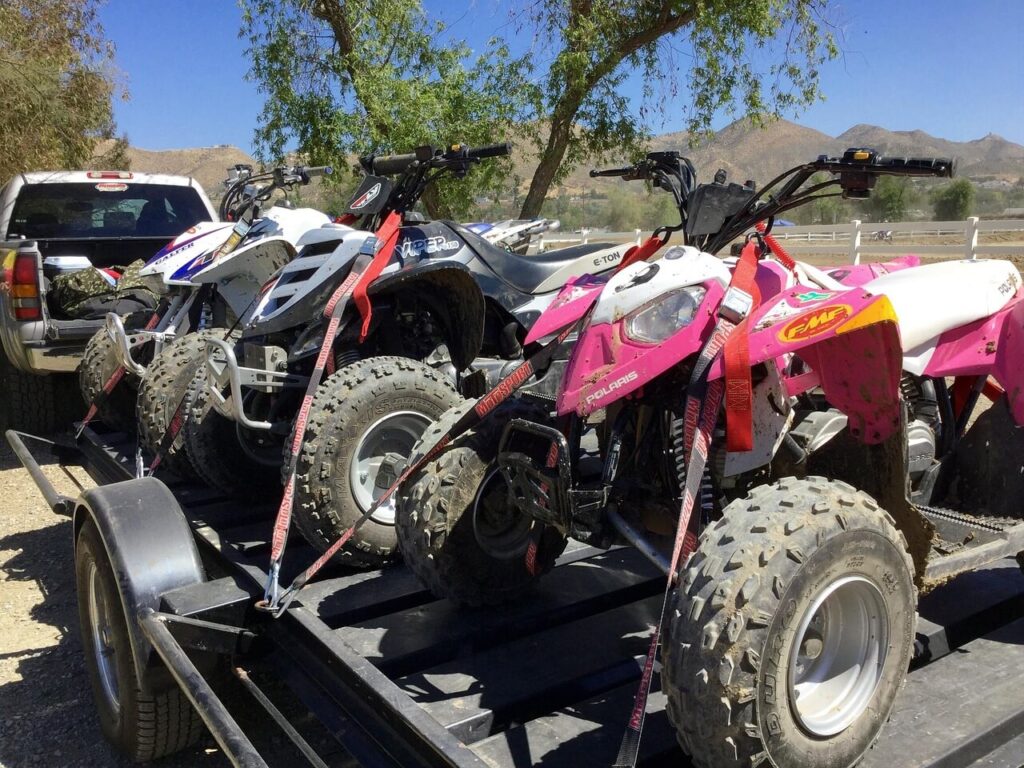
Interior walls often have e-track rails or flush-mounted D-rings. These anchor points let you use ratchet straps or load bars to stop cargo from shifting during transit.
What electrical and lighting features are standard?
A 7-pin connector powers exterior running, brake, and turn lights. Inside, a dome light on the ceiling is standard. Many newer models use low-draw LED lighting for better visibility and durability.